
Foundation first. Decisions second.
Cultural Anthropology to reveal who you are and how your target audience understands the world. That is your foundation for every decision.
Identity Anthroplogy
Within cultural anthropology, HumanTales specializes in identity.
Identity anthropology examines how individuals, groups, and organizations understand themselves and others through cultural lenses. It explores the values, beliefs, and worldviews that shape identity and how these create meaning, guide behavior, and influence relationships.
By uncovering these Human Insights, Identity Anthropology provides the foundation for strategic clarity and authentic outcomes, enabling organizations to stand for what is real.
Authentic, honest, and strong. Inside and out.

Cases
Services
From the foundation to informed decisions.
Awareness
Keynotes, workshops, and inspirational sessions that explore why the basics are important for strategic decision-making.
Cultural Awareness Sessions
What is cultural identity? How do your cultural lens and that of your target group shape decisions? What changes when organizations operate from understanding rather than assumptions?
These sessions create awareness and shift perspective. They help teams see the value of foundational work and understand how cultural clarity leads to decisions that are sustainable and authentic.
The foundation
Behavior shows what people do, but not why.
Underlying behavior are beliefs, values, and norms. By going back to the foundation, we uncover behavior and underlying patterns with Identity Anthropology.
These Human Insights reveal why target groups do what they do, and how and why people in organizations act.
The result is a solid foundation upon which constructive next steps can be taken.
Audience Identity
To understand the behavior of target audiences, you must first gain insight into how they perceive the world.
Ethnographic research focuses on the cultural lens of the target audience you want to understand better.
Perhaps you’re struggling to reach a specific target group. Maybe you want to reconnect with your current audience, deepen that connection, or understand the reasoning behind your quantitative data.
Whatever the starting point, the research reveals how this group perceives the world—their beliefs, needs, values, and behavior.
This creates a foundation for decisions regarding communication, strategy, policy, and positioning.
Organization Identity
Many organizations unintentionally project an identity that does not fully align with how the organization actually operates.
By applying Identity Anthropology, a distinction is made between the desired identity and the authentic identity.
During the organizational identity process, we examine which beliefs, values, and patterns truly guide the organization’s actions.
The result is a clearly articulated organizational identity that provides insight into friction, potential, ambiguities, and opportunities for growth and forms the basis for all well-founded next steps.
The Decisions
When identity is authentic, it becomes clearer which choices feel natural.
Culture, brand, and communication then stem not from assumptions, but from a well-founded, authentic, and, above all, lived foundation.
Organizational Culture: The Identity Code
You know your organizational identity. The next question is, how is it reflected in the organizational culture?
The Identity Code translates the authentic identity into organizational culture.
Which norms and values are actively practiced?
Where do conflicts arise internally, and how do we resolve them?
How do we make the culture visible and tangible?
How are decisions made that align with who the organization is?
The result is an Identity Code with concrete tools to protect and implement culture, especially during growth or change.
This ensures the reputation remains aligned with the identity.
Practice what you preach.
Brand Identity & Communication
Communication becomes credible when it originates from identity.
Once the foundation is clear, it can be translated into brand identity and communication.
From an organizational identity perspective:
How do you communicate who the organization truly is? What positioning, communication style, and presentation align with its authentic core?
From a target audience identity perspective:
How do you communicate in a way that goes beyond relevance and truly builds a meaningful relationship with the target audience?
This process can lead to, among other things:
positioning
brand strategy
strategic policy advice
communication strategy
corporate communication
The result is a strategy rooted in cultural identity.
The Human behind HumanTales
For me, everything revolves around one question: what is it like to be you?
I grew up in the Netherlands, Curaçao, and Switzerland, moving between these countries. Ten years ago, I moved to Amsterdam, where I have now lived the longest in one place.
Perhaps because of all the moving around, or perhaps just because of who I am, I am intrigued by people and their worldviews. Why are you who you are? Why do you think the way you do? Would it have been different if you had grown up somewhere else? These are not psychological questions, but anthropological ones.
Our cultural lens determines how we understand the world and how we act. But because the world is changing so rapidly, there is another element that catches my attention: innovation. Not innovation itself per se, but its effect on people. How does it affect identity development? What conflicts or opportunities does it create? That is why I specialized in Media and Business at Erasmus University for my master's degree.
In that combination, I realized that the cultural lens works so deeply that we apply it everywhere, not just in our personal lives. We also build organizations and companies based on our cultural lenses, and companies and organizations also act based on subjective cultural lenses.
I help companies and organizations become aware of their own lens and the lens of those they address. This makes dialogue and relationships valuable. Because, speaking of me, I believe that if we understand each other's lenses better, the world will become a friendlier and kinder place. And I would like to contribute to that.
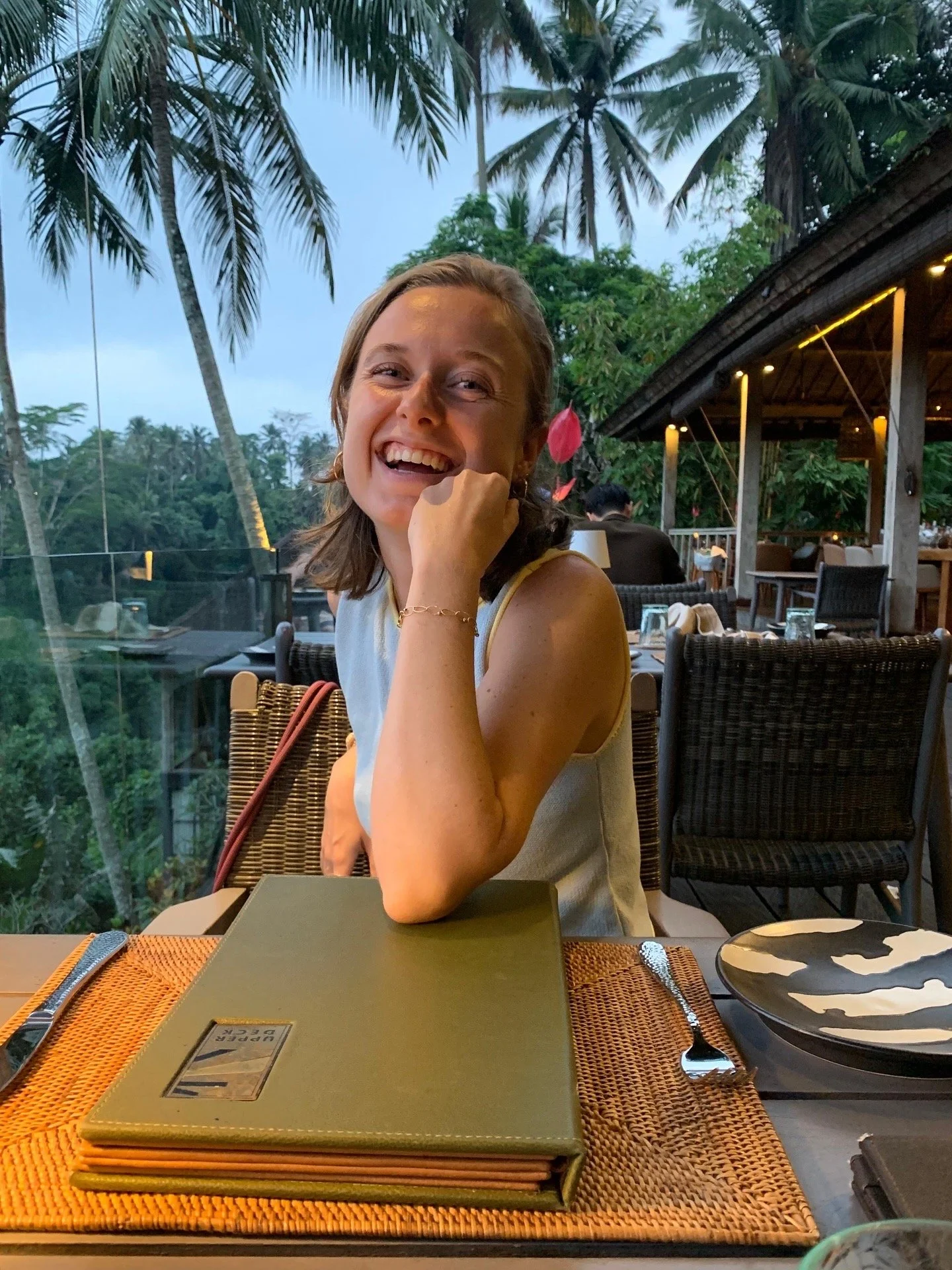
Maxime de Jonge
Founder | Cultural Anthropologist & Development Sociologist specializing in Identity Anthropology
Let’s chat
Interested in working with us? Or do you have a question? Leave your contact details, or send us an email, call, or text us, and we will get back to you as soon as possible.
We look forward to hearing from you!