“The purpose of anthropology is to make the world safe for human differences.”
HumanTales
HumanTales is ontstaan uit onze passie voor mensen en hun verhalen.
We zien en voelen diep respect voor menselijke verschillen en de betekenis die mensen creëren in hun eigen woorden en context. Wij geloven dat het ieders recht is om serieus te worden genomen om wie ze zijn, waar ze vandaan komen en hoe ze de wereld begrijpen. Vanuit die overtuiging van integriteit werken we met zorg en aandacht, waarbij we eigenaarschap beschermen en verhalen respecteren zoals ze worden beleefd en begrepen.
HumanTales bestaat omdat we geloven dat begrip mensen dichter bij elkaar brengt en de wereld een beetje liever maakt. Wanneer begrip verdiept, worden relaties sterker, waardoor er ruimte ontstaat voor verbinding, zorg en beslissingen die oprecht zijn en de wereld een beetje menselijker (en liever :) ) maakt.
-
HumanTales was founded from a passion for people and their stories.
We see, and feel deep respect for, human difference and the meanings people create in their own words and context. We believe that taking people seriously in who they are, where they come from, and how they make sense of the world is an act of integrity. From that conviction, we work with care and attention, protecting agency and honoring stories as they are lived and understood.
HumanTales exists because we believe that understanding brings people closer and makes the world a little kinder. When understanding deepens, relationships strengthen, creating space for connection, care, and decisions that feel true and make the world a little more humane (and kind :) ).ext goes here
Maxime de Jonge
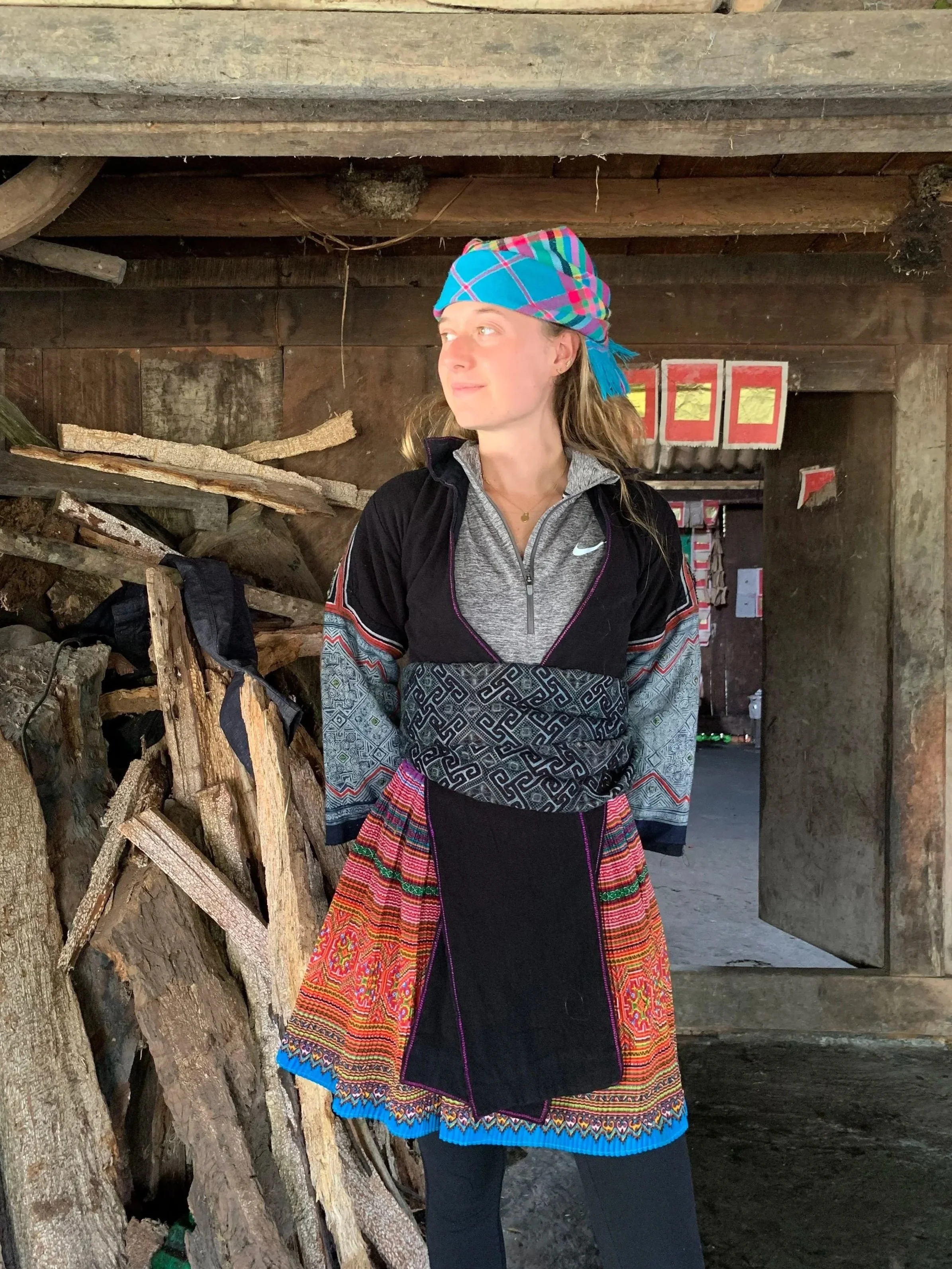
Bij mij draait alles om één vraag: hoe is het om jou te zijn?
Ik ben opgegroeid in Nederland, Curaçao en Zwitserland, met wisselingen tussen deze landen. Tien jaar geleden verhuisde ik naar Amsterdam, waar ik nu het langst op één plek woon.
Misschien komt het door al het verhuizen, maar misschien gewoon door wie ik ben: ik ben geïntrigeerd door mensen en hun wereldbeelden. Waarom ben jij wie je bent? Waarom denk je zo? Had het anders geweest als je ergens anders was opgegroeid? Geen psychologische vragen, maar antropologische.
Onze culturele lens bepaalt hoe we de wereld begrijpen en hoe we handelen. Maar omdat de wereld zo snel verandert, is er nog een element dat mijn aandacht trekt: innovatie. Niet per se innovatie zelf, maar wat het effect ervan is op de mens. Wat doet het met identiteitsontwikkeling? Welke conflicten of juist mogelijkheden ontstaan er? Om die reden heb ik mij gespecialiseerd aan de Erasmus Universiteit met de Master Media and Business.
Door die combinatie realiseerde ik me dat de culturele lens zo diep werkt, dat we hem overal toepassen, niet alleen in het persoonlijk leven. We bouwen ook organisaties en bedrijven vanuit onze culturele lenzen, en zo handelen bedrijven en organisaties ook vanuit subjectieve culturele lenzen.
Ik help bedrijven en organisaties bewust te worden van hun eigen lens en van de lens van wie ze aanspreken. Zodat dialoog en relatie waardevol worden. Want als we het hier toch even over mij hebben: ik geloof dat als we elkaars lenzen beter begrijpen, de wereld vriendelijker en liever wordt. En daar wil ik graag mijn steentje aan bijdragen.
-
For me, everything revolves around one question: what is it like to be you?
I grew up in the Netherlands, Curaçao, and Switzerland, moving between these countries. Ten years ago, I moved to Amsterdam, where I have now lived the longest in one place.
Perhaps because of all the moving around, or perhaps just because of who I am, I am intrigued by people and their worldviews. Why are you who you are? Why do you think the way you do? Would it have been different if you had grown up somewhere else? These are not psychological questions, but anthropological ones.
Our cultural lens determines how we understand the world and how we act. But because the world is changing so rapidly, there is another element that catches my attention: innovation. Not innovation itself per se, but its effect on people. How does it affect identity development? What conflicts or opportunities does it create? That is why I specialized in Media and Business at Erasmus University for my master's degree.
In that combination, I realized that the cultural lens works so deeply that we apply it everywhere, not just in our personal lives. We also build organizations and companies based on our cultural lenses, and companies and organizations also act based on subjective cultural lenses.
I help companies and organizations become aware of their own lens and the lens of those they address. This makes dialogue and relationships valuable. Because, speaking of me, I believe that if we understand each other's lenses better, the world will become a friendlier and kinder place. And I would like to contribute to that.